


The Mattress Guide by Amare Living
The importance of a good night’s sleep shouldn’t be underestimated. This mattress guide will help you decide which mattress is right for you.
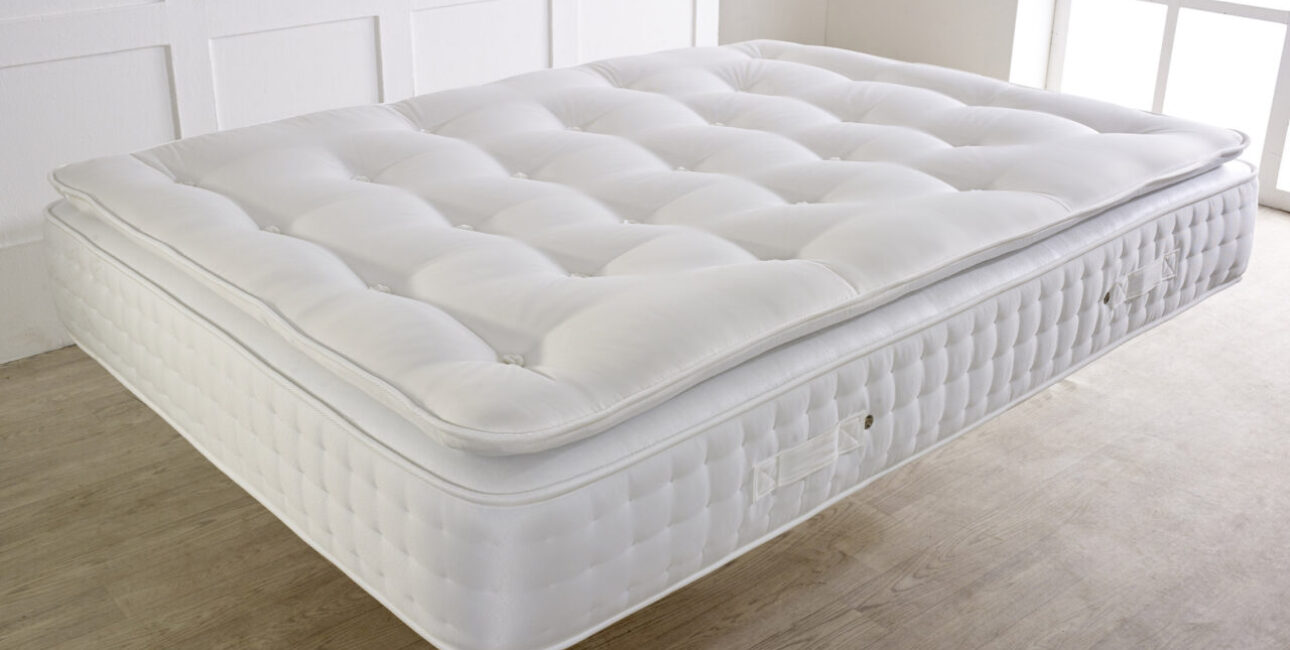
Firmness
Firmness of mattresses is usually described as soft, medium or firm reflecting the spring tension. These are not linked to the feel of the mattress, but are instead indicative of which mattress would suit your bodyweight and bed size. Continue reading our mattress guide for information on mattress types and sleep styles.
Soft Tension

Appropriate for bodyweights up to 8 stone and usually has a 1.2mm wire diameter.
Medium Tension

Appropriate for bodyweights of 8-16 stone and usually has a 1.4mm wire diameter. This is the most popular tension.
Firm Tension

Perfect for bodyweights of 16 stone plus and usually has a 1.6mm wire diameter.
Type
Memory Form
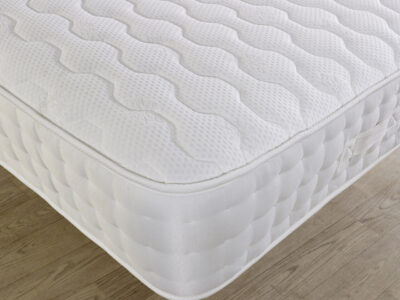
Memory foam mattresses mould to the shape of your body providing optimal support for your lumbar and spine. The anti-microbial properties of the synthetic materials used to manufacture the mattress are ideal for those who suffer from allergies.
Pocket Spring
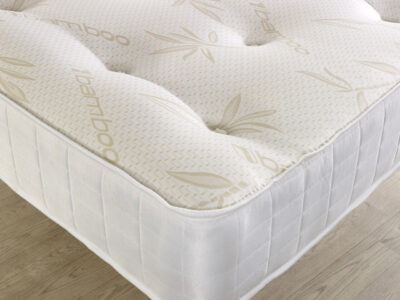
These are more durable springs compared to the open coil springs. The springs work independently to respond to individual shape of one’s body providing ultimate comfort.
Open Coil Spring
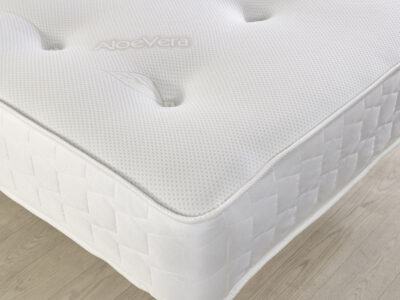
Open coil spring mattresses are more affordable – due to the simple construction, spring type and filling content and are ideal for occasional use such as in a spare or guest bedroom. They are also great mattresses for children and young adults.
Sleep Style
Side Sleeper

You’ll need a softer spring to allow your hip and shoulder to sink deep into the mattress, keeping the spine neutral without applying excessive pressure on the joints.
Front Sleeper

You’ll usually require a mattress with more support so there are minimal gaps between your mattress and body. The goal is to maintain a neutral position in your neck and spine; consider sleeping without a pillow if necessary to maintain this.
Back Sleeper

Make sure the tension of the mattress allows the springs to merge with the contours of your back, ensuring there is no gaps whilst you’re sleeping.
Size
| Bed Type | Dimensions | Best Use |
|---|---|---|
| Single Bed | W75 x L190cm | Perfect for children or guest bed |
| Small Double | W120 x L190cm | Perfect for teenagers or small bedrooms |
| Double | W135 x L190cm | Perfect for spreading out while sleeping alone or couples |
| King | W150 x L200cm | Most popular choice |
| Superking | W180 x L200cm | Perfect for sleeping like royalty! |
Delivery
Once the packaging has been removed, leave the mattress uncovered for 4-6 hours allowing it time to breathe.
Your mattress may have compressed slightly whilst being transported, this is common and not an issue of concern as it will soon resume its natural size and shape.
A new mattress can sometimes take time to get used to. Please allow time for the fillings to settle and for your body to adjust to the springs.
The fillings may occasionally release an odour following the removal of packaging. Once the mattress has been well aired, the smell will dissipate.
If your mattress arrives rolled, please unroll it as soon as possible and place it on a bed in a warm room for 24-36 hours to allow it to regain its natural shape.


Aftercare
If your mattress is double-sided, rotate it head to foot and vice versa and turn it over completely once a fortnight for the first 12-14 weeks, and once a month thereafter. If the mattress is one sided, follow the same procedure but do not turn it over.
Ensure you sufficiently air your mattress after delivery to remove any odours and allow it to breathe before use.
Use a mattress protector or suitable alternative to provide optimum care.
The mattress should be cleaned every few months with a soft brush. Vacuuming can cause the fillings and fibres to become damaged so this should be avoided.
Spillages should be cleaned with a slightly damp cloth and a mild detergent solution.